You've probably noticed it if you've booked a table anywhere interesting in London lately: more kitchens are visible, more menus mention charcoal or wood, and more restaurants are built around a grill or an open flame instead of hiding the cooking process in a back room. It's tempting to assume this is just plating trends catching up with Instagram. It isn't, and understanding why matters if you're the one choosing where to host a client dinner or a team celebration.
The myth: it's a design choice
The common assumption is that open kitchens and live-fire cooking are primarily aesthetic: a way to make a restaurant look more dramatic, more photogenic, more "experience-led" for a crowd that wants content as much as food. There's some truth in the visual appeal, sure. But if you talk to chefs who actually cook this way, the reasoning is almost never about how it looks. It's about what the fire does that a gas range or induction top can't.
The reality: it changes what's possible on the plate
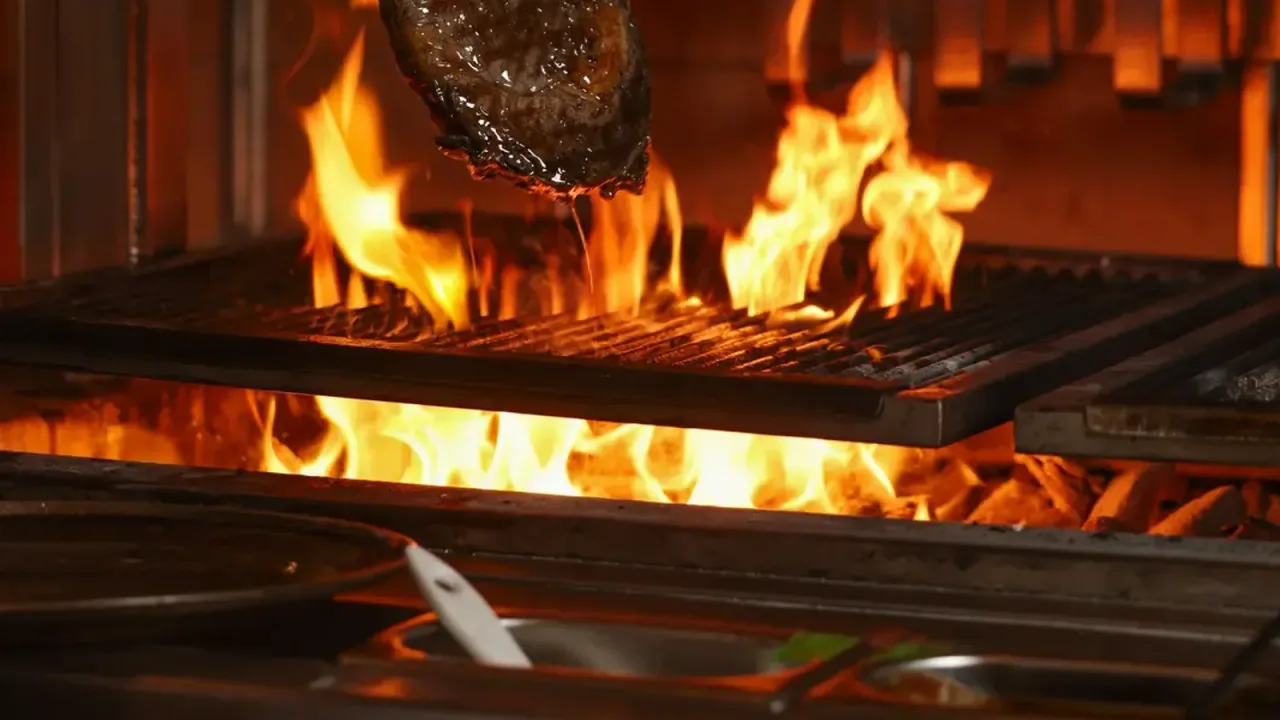
Live fire gives you variable, responsive heat. A charcoal grill or a wood-fed oven doesn't hold a fixed temperature the way a modern range does; it shifts constantly, and a chef working it has to read the fire and adjust in real time rather than set a dial and wait. That responsiveness is what produces char in some places and softness in others on the same piece of food, a contrast that even heat simply doesn't create. Ask most chefs who've worked both styles which they'd pick if the only goal was texture and depth of flavour, and the fire tends to win.
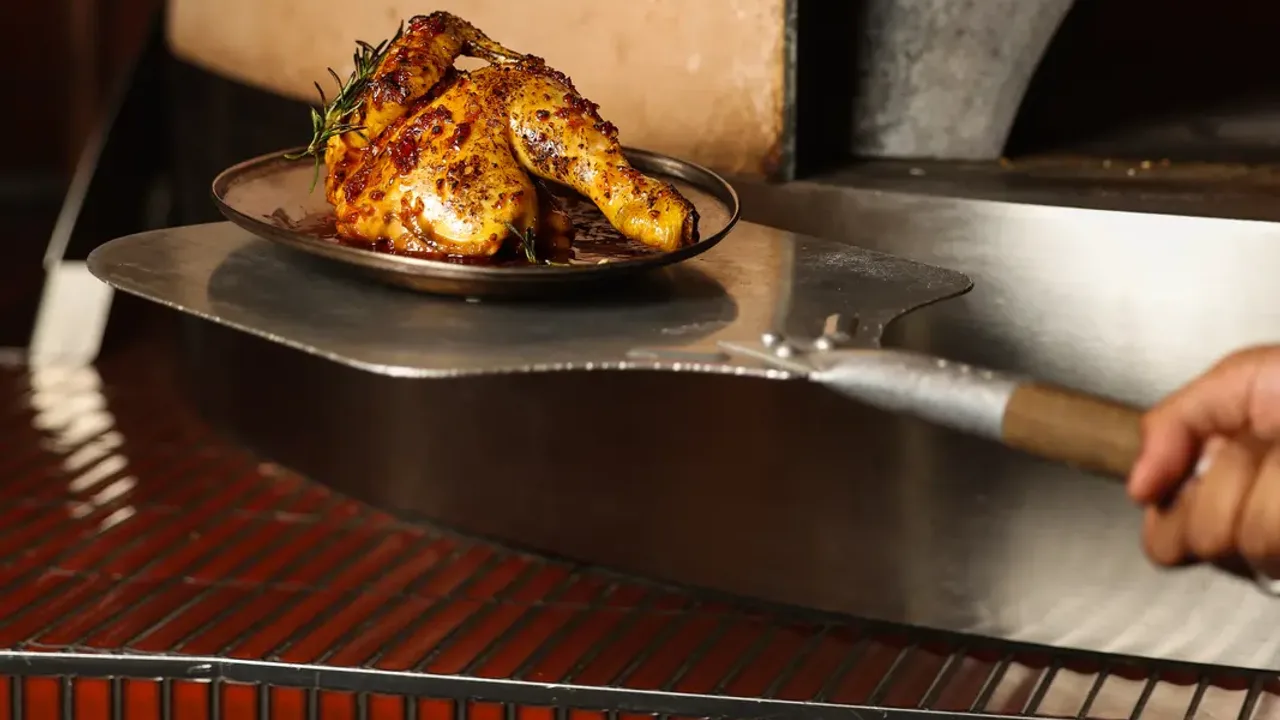
At Kāio, that's the whole premise. The kitchen runs on a tabun clay oven and a charcoal grill, cooking Mediterranean and Levantine-influenced dishes over live fire rather than behind closed doors. You can watch it happen from the dining room. That's not a gimmick layered on top of the food. It's simply what the food requires to come out the way it does.
Why this matters if you're planning something
If you're organising a corporate dinner, a client evening, or a team event, the shift toward live-fire, open-kitchen restaurants changes what you're actually offering your guests. A dining room built around visible fire gives people something to look at and talk about without anyone needing to perform for it: the kitchen itself is the entertainment, which takes pressure off small talk and seating plans. It also tends to suit groups who've already done the standard private-room dinner circuit and want something with a bit more texture to the evening, literally and otherwise.
There's a practical side too. Restaurants built around live fire often have the infrastructure for flexible spaces (a private dining room, a terrace, a bar area) because the kitchen concept demands a building that can host different moods of evening. At Kāio, for instance, the layout includes a circular cocktail bar, an alfresco terrace, a private dining room and a main dining room, which gives you options depending on whether you're hosting six people or sixty.
What to ask before you book
If you're evaluating a live-fire restaurant for an event, a few questions are worth asking directly. Is the fire genuinely part of the cooking, or just a design feature near an otherwise standard kitchen? Can the menu structure accommodate a group booking without slowing service to a crawl? And does the space have a private or semi-private option if you need one, rather than just a shared dining room?
These aren't trick questions. They're the difference between a restaurant that's adopted live fire as an identity and one that's added a grill for effect. The former tends to have a more coherent menu, a kitchen team that's genuinely built around the method, and a dining experience that holds up whether you're there for two hours or four.
Where this leaves you
London's live-fire moment isn't really a moment in the trend-cycle sense; it's a return to a cooking method that offers something modern kitchens quietly gave up in the name of consistency. For anyone planning a dinner that needs to feel considered rather than generic, that's worth factoring into the shortlist. Kāio, at The Whiteley in Bayswater, is built entirely around that premise, with a tabun oven and charcoal grill at the centre of the kitchen and a room designed to host groups comfortably around it. If you're weighing up where to book your next event, it's worth getting in touch to talk through the space and the menu options directly.